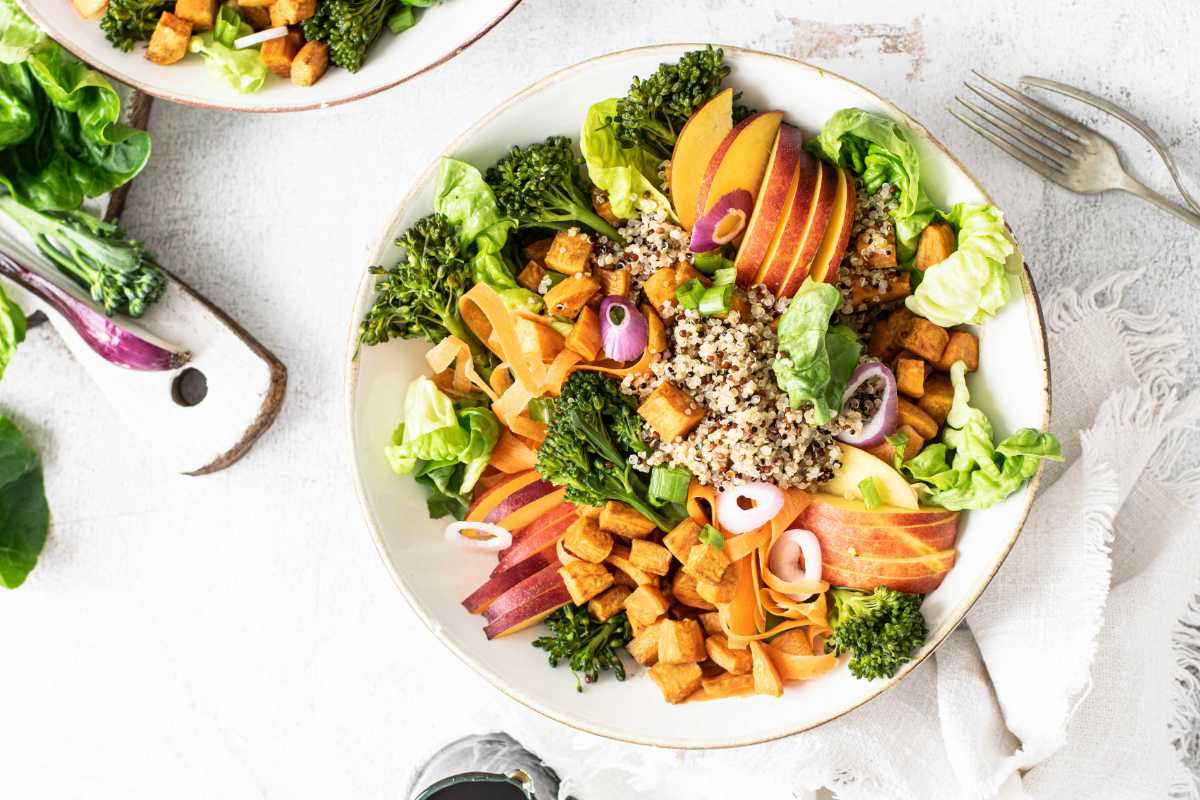

Transitioning to a vegetarian diet can be an exciting and rewarding journey, not only for your health but also for the environment. However, it’s essential to approach this transition with proper planning and knowledge to ensure a smooth and successful switch. In this beginner’s guide to transitioning to a vegetarian diet, we will provide you with practical tips, advice, and resources to help you make the switch confidently and enjoyably. Whether you’re motivated by health, ethical, or environmental reasons, this guide will support you in embracing a vegetarian lifestyle.
1. Educate Yourself
Before embarking on a vegetarian diet, educate yourself about the various types of vegetarianism and the benefits associated with this lifestyle. Understand the difference between lacto-ovo vegetarians (who consume dairy and eggs) and vegans (who avoid all animal products). Familiarize yourself with the nutritional requirements of a vegetarian diet to ensure you’re meeting your body’s needs.
2. Take It Gradually
Transitioning to a vegetarian diet doesn’t have to happen overnight. Gradually reduce your meat consumption while incorporating more plant-based meals into your routine. Start by designating a few meatless days each week and gradually increase them. This allows your palate to adjust and gives you time to discover new vegetarian recipes and foods.
3. Focus on Whole Foods
Shift your attention to whole foods like fruits, vegetables, whole grains, legumes, nuts, and seeds. These plant-based foods will become the foundation of your vegetarian meals, providing you with essential nutrients, fiber, and antioxidants. Experiment with new recipes and explore a variety of flavors to keep your meals exciting and satisfying.
4. Explore Vegetarian Protein Sources
Protein is a crucial nutrient, and many worry about getting enough without meat. Luckily, there are abundant plant-based protein sources available. Incorporate legumes, such as lentils, chickpeas, and black beans, into your meals. Experiment with tofu, tempeh, seitan, and edamame for alternative protein options. Quinoa, amaranth, and buckwheat are excellent grain-based protein sources. Nuts, seeds, and nut butters also contribute to your protein intake.
5. Embrace Healthy Fats
Healthy fats are an important part of a balanced vegetarian diet. Include foods like avocados, olive oil, coconut oil, nuts, and seeds to provide essential fatty acids and promote satiety. These fats also enhance the absorption of fat-soluble vitamins.
6. Find Vegetarian Substitutes
If you’re missing the texture or flavors of meat-based dishes, explore vegetarian substitutes available in stores or make your own. Meat alternatives like veggie burgers, plant-based sausages, and meatless crumbles can be incorporated into your favorite recipes. Additionally, explore the world of mushrooms, jackfruit, and tofu for creating meat-like textures.
7. Plan and Prepare Meals
Meal planning is crucial for a successful transition. Plan your meals in advance, ensuring a balance of macronutrients and variety. Experiment with new recipes and batch cook for convenience. Stock your pantry with essential vegetarian ingredients and keep your refrigerator filled with fresh fruits, vegetables, and plant-based proteins. Having a well-stocked kitchen will make it easier to stick to your vegetarian lifestyle.
8. Get Support
Seek support from friends, family, or online communities who share your vegetarian journey. Share recipes, meal ideas, and experiences with like-minded individuals. Connecting with others who have already transitioned to a vegetarian diet can provide valuable insights and support.
9. Be Mindful of Nutrient Needs
While a vegetarian diet can be nutritionally balanced, it’s important to pay attention to certain nutrients. Ensure you’re getting adequate amounts of iron, vitamin B12, calcium, omega-3 fatty acids, and zinc. Consider consulting a registered dietitian or healthcare professional to address any specific concerns or to discuss potential supplementation.
Conclusion
Transitioning to a vegetarian diet can be a positive and transformative experience for both your health and the environment. By educating yourself, taking gradual steps, focusing on whole foods, exploring vegetarian protein sources, embracing healthy fats, finding substitutes, planning meals, seeking support, and being mindful of nutrient needs, you’ll embark on a successful vegetarian journey. Remember to enjoy the process, be open to new flavors, and celebrate the positive impact you’re making on your health and the planet.