
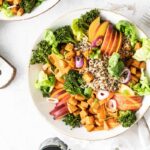

In recent years, plant-based diets have gained popularity for their health benefits and environmental sustainability. One common concern when transitioning to a plant-based lifestyle is obtaining an adequate amount of protein. However, there is a wide range of plant-based protein sources available that can meet your nutritional needs while providing a variety of flavors and textures. In this comprehensive guide to plant-based protein sources, we will explore a diverse selection of foods that will help you maintain a balanced and protein-rich diet, whether you’re a vegetarian, vegan, or simply looking to incorporate more plant-based meals into your routine. Get ready to discover a whole new world of nutritious and delicious plant-based proteins!
1. Legumes
Legumes are an excellent source of plant-based protein and offer a wide range of options. From lentils and chickpeas to black beans and kidney beans, legumes are not only rich in protein but also provide essential nutrients like fiber, iron, and folate. They are versatile ingredients that can be used in various dishes, such as soups, stews, salads, and even plant-based burger patties. Additionally, legumes can be sprouted, further enhancing their nutrient content and digestibility.
2. Tofu and Tempeh
Tofu and tempeh, made from soybeans, are popular protein sources in vegetarian and vegan diets. Tofu is a versatile ingredient that can be cooked in numerous ways, absorbing flavors and adding a creamy texture to dishes. Tempeh, on the other hand, has a firmer texture and a nutty flavor. Both tofu and tempeh are packed with protein, iron, and calcium, making them excellent meat substitutes in stir-fries, sandwiches, and marinades.
3. Quinoa
Quinoa is a complete protein source, meaning it provides all essential amino acids required by the body. This ancient grain is also high in fiber, magnesium, and iron. With a nutty flavor and a light, fluffy texture, quinoa can be enjoyed as a side dish, added to salads, or used as a base for grain bowls. Its versatility and nutrient profile make it a valuable addition to a plant-based diet.
4. Nuts and Seeds
Nuts and seeds are not only rich in healthy fats but also provide a good amount of protein. Almonds, walnuts, cashews, chia seeds, flaxseeds, and hemp seeds are just a few examples of protein-rich options. They can be enjoyed as snacks, added to smoothies, sprinkled on salads, or used to create delicious plant-based spreads like almond butter or tahini. Additionally, nut and seed flours can be used as alternatives in baking, providing a protein boost to your favorite recipes.
5. Seitan
Seitan, also known as wheat meat or wheat gluten, is a protein-rich food made from gluten, the main protein in wheat. It has a chewy texture and can be flavored with spices, making it an excellent meat substitute in various dishes like stir-fries, stews, and sandwiches. Seitan is a valuable option for those who are not gluten-intolerant and looking to add more protein to their plant-based meals.
6. Plant-Based Protein Powders
Plant-based protein powders, such as pea protein, rice protein, and hemp protein, offer a convenient way to supplement your protein intake. These powders can be easily added to smoothies, oatmeal, or baked goods, providing a concentrated source of protein. They are particularly useful for athletes or individuals with higher protein needs.
7. Edamame and Soy Products
Edamame, young soybeans, are a nutritious snack and protein-rich addition to salads and stir-fries. Soy products like soy milk, soy yogurt, and soy-based meat alternatives are also valuable sources of protein. They are widely available and offer a range of options for those looking to incorporate more plant-based proteins into their diet.
Conclusion
Transitioning to a plant-based diet doesn’t mean compromising on protein. With this comprehensive guide to plant-based protein sources, you now have a wide range of options to choose from. Legumes, tofu, tempeh, quinoa, nuts, seeds, seitan, plant-based protein powders, edamame, and soy products are just a few examples of the protein-rich foods that can form the foundation of your plant-based meals. By incorporating a variety of these protein sources into your diet, you can easily meet your nutritional needs while enjoying delicious and satisfying plant-based meals.