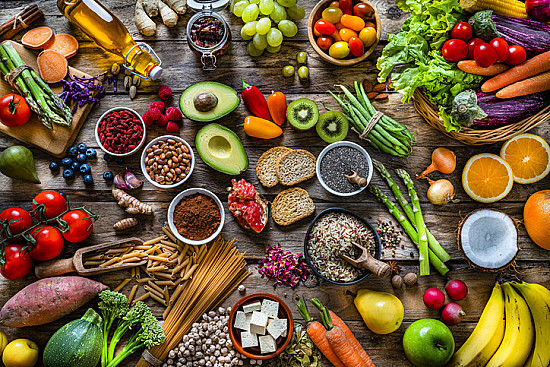


A vegetarian diet is known for its numerous health benefits, but it’s important to ensure you’re getting all the essential nutrients your body needs. By understanding the key nutrients and incorporating a variety of plant-based foods into your meals, you can thrive on a vegetarian diet while meeting your nutritional requirements. In this blog post, we will explore the essential nutrients in a vegetarian diet, discuss their functions, and provide practical tips to ensure you’re getting an adequate supply of these nutrients for optimal health.
1. Protein
Protein is a crucial macronutrient that plays a vital role in building and repairing tissues, producing enzymes and hormones, and supporting a healthy immune system. While some believe that vegetarian diets lack sufficient protein, there are plenty of plant-based sources to choose from. Legumes like beans, lentils, and chickpeas, as well as tofu, tempeh, seitan, and quinoa, are excellent vegetarian protein sources. Nuts, seeds, and whole grains also contribute to your daily protein intake. By incorporating a variety of these foods into your meals, you can easily meet your protein needs.
2. Iron
Iron is essential for the production of red blood cells and carrying oxygen throughout the body. Plant-based sources of iron include dark leafy greens like spinach and kale, legumes, fortified cereals, tofu, and pumpkin seeds. To enhance iron absorption, pair iron-rich foods with vitamin C sources such as citrus fruits, bell peppers, and tomatoes. Additionally, cooking in cast-iron pans can help increase the iron content in your meals. If needed, consider consulting with a healthcare professional to determine if iron supplementation is necessary.
3. Vitamin B12
Vitamin B12 is primarily found in animal-based foods, making it a concern for vegetarians. This vitamin is crucial for maintaining nerve function, producing DNA, and forming red blood cells. To ensure adequate intake, include fortified plant-based milk, nutritional yeast, fortified cereals, and B12 supplements in your diet. Regularly checking your B12 levels through blood tests is recommended, as deficiencies can lead to serious health issues.
4. Omega-3 Fatty Acids
Omega-3 fatty acids are important for heart health, brain function, and reducing inflammation. While fatty fish is a common source of these essential fats, vegetarians can obtain omega-3s from plant-based sources like flaxseeds, chia seeds, hemp seeds, walnuts, and algae-based supplements. Incorporating these foods into your meals can help you meet your omega-3 requirements.
5. Calcium
Calcium is essential for strong bones and teeth, muscle function, and nerve transmission. While dairy products are a popular calcium source, vegetarians can opt for fortified plant-based milk, calcium-set tofu, leafy greens (such as kale and collard greens), fortified orange juice, and almonds. It’s important to note that calcium absorption can be hindered by excessive caffeine or high levels of oxalates (found in spinach and beet greens), so it’s recommended to balance your calcium sources.
Conclusion
Understanding the essential nutrients in a vegetarian diet is key to maintaining optimal health. By incorporating a wide variety of plant-based foods, you can easily meet your nutritional requirements. Protein, iron, vitamin B12, omega-3 fatty acids, and calcium are some of the essential nutrients to focus on. Ensure a well-rounded diet by including a variety of legumes, nuts, seeds, whole grains, fruits, vegetables, and fortified foods. If you have any concerns, consult with a healthcare professional or registered dietitian to ensure you’re meeting your specific nutritional needs.